

Dental Abscess: Signs, Causes and Treatment, and Why It Won't Go Away on Its Own
If you have been told you need a crown, you probably have two questions. How long do dental crowns last, and what will the treatment actually involve? Both are fair questions. A crown is a significant piece of dental work, and it helps to know what you are getting before you say yes. This guide answers both. It covers the average lifespan of a crown, the different types, what happens at each appointment, and the habits that make a crown last longer.
What is a dental abscess?
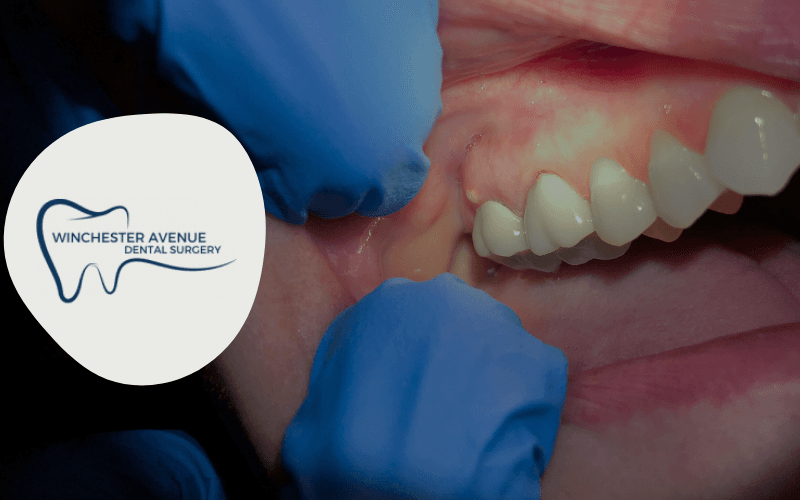
A dental abscess is a pocket of pus caused by a bacterial infection. Your body sends white blood cells to fight the bacteria, and the build-up of dead cells, bacteria and tissue forms pus. Because that pus is trapped inside bone or gum with nowhere to drain, pressure builds. That pressure is what causes the intense, throbbing pain.There are three main types:- Periapical abscess. This forms at the tip of the tooth's root. It happens when bacteria reach the nerve inside the tooth, usually through deep decay or a crack, and the nerve dies. This is the most common type of tooth abscess.
- Periodontal abscess. This forms in the gum next to a tooth, usually in a deep pocket caused by gum disease. The tooth itself may be perfectly healthy.
- Gingival abscess. This sits only in the gum, often because something like a popcorn husk or a bit of a toothbrush bristle has got stuck and caused an infection.
Signs and symptoms of a tooth abscess
Every abscess is a little different, but these are the signs we hear about most often:- A strong, throbbing pain in a tooth or the gum around it
- Pain that spreads to your ear, jaw or neck on the same side
- Pain that is worse when you lie down
- Pain when you bite or chew, or when you tap the tooth
- Sensitivity to hot or cold drinks
- Swelling in the gum, cheek or face
- A small, pimple-like bump on the gum that may leak fluid
- A bad taste or bad breath that won't shift
- Feeling generally unwell, with a raised temperature
- Swollen glands under the jaw
What causes a dental abscess?
The common thread is bacteria getting somewhere they shouldn't. The most frequent causes we see are:- Untreated tooth decay. A cavity that is left alone eventually reaches the nerve. This is the cause of most periapical abscesses.
- A cracked or broken tooth. Even a hairline crack can let bacteria in.
- Gum disease. As gums pull away from the teeth, deep pockets form where bacteria collect.
- Old or leaking fillings and crowns. Over time, the seal around a restoration can break down.
- A previous injury to the tooth. A knock can damage the nerve, sometimes years before an abscess appears.
Will a dental abscess go away on its own?
No. This is probably the most important point in this whole article. A tooth abscess does not heal by itself, because the source of the infection is still inside the tooth or gum. Painkillers can take the edge off, and the pain may come and go, but the infection carries on.Left untreated, an abscess can destroy the bone around the tooth, lead to losing the tooth, and in rare cases spread to other parts of the head and neck. The NHS advises that a dental abscess always needs to be seen by a dentist, and we would always rather see you early than late.When is a dental abscess an emergency?
Most abscesses should be seen by a dentist as soon as possible, ideally within a day or two. You can book an emergency dental appointment with us any day of the week.However, some symptoms mean you need hospital care straight away. Go to A&E or call 999 if you have:- Difficulty breathing or swallowing
- Swelling that is spreading to your eye or down your neck
- Swelling so severe you can't open your mouth properly
- A high temperature, a fast heartbeat or you feel very unwell or confused
How to manage the pain until you see a dentist
While you wait for your appointment, these steps can help:- Take over-the-counter painkillers. Paracetamol or ibuprofen can help. Always follow the dose on the packet and check with a pharmacist if you take other medicines or have a health condition.
- Rinse with warm salt water. Half a teaspoon of salt in a glass of warm water, a few times a day, can soothe the area.
- Sleep with your head raised. An extra pillow reduces the pressure that makes the pain worse at night.
- Avoid very hot, cold or sugary food and drink, and chew on the other side.
- Use a cold compress on the outside of your cheek, 15 minutes at a time.
How we treat a dental abscess
Abscess treatment has two goals: get rid of the infection and stop it coming back. The first step is always a thorough examination and usually an X-ray, so we can see exactly where the infection is and how much damage it has done.Depending on what we find, treatment usually involves one of the following.Draining the abscess
If there is a lot of swelling, Dr Zeinab may make a small opening to let the pus drain. This brings very quick relief from the pressure. The area is numbed first, so it is far less uncomfortable than people expect.Root canal treatment
If the tooth can be saved, root canal treatment is usually the best option. It is done under local anaesthesia and involves removing the infected nerve from inside the tooth, cleaning and disinfecting the root canals, then sealing them. The tooth is often protected with a crown afterwards. Modern root canal treatment feels much like having a filling, and it lets you keep your natural tooth.Removing the tooth
If the tooth is too badly damaged to repair, a tooth extraction removes the source of the infection completely. We will always talk you through the options before deciding together.What about antibiotics?
Many people expect antibiotics, but on their own they do not cure a dental abscess. They can't reach the trapped pus properly and they don't deal with the cause. UK dental guidelines advise using antibiotics only when the infection is spreading or you are generally unwell, and alongside treatment, not instead of it. We prescribe them when they are genuinely needed, which helps keep them working for when you really need them.Replacing a tooth after an abscess
If a tooth does need to come out, a gap doesn't have to be permanent. Depending on where the gap is and how many teeth are missing, options include a bridge, an implant or a well-fitting partial denture. Modern dentures are far more comfortable and natural-looking than many people imagine, and they are often the quickest and most affordable way to restore your smile and your bite.How to prevent a tooth abscess
Most abscesses are preventable. The habits that make the biggest difference are simple:- Brush twice a day with a fluoride toothpaste, for two minutes
- Clean between your teeth daily with floss or interdental brushes
- Cut down on how often you have sugary snacks and drinks
- Don't ignore a tooth that is sensitive, chipped or aching
- Keep up with regular check-ups and hygiene appointments
Why patients choose us as their emergency dentist in Leicester
Dental pain rarely waits for a convenient moment, which is why emergencies are at the heart of what we do. As an emergency dentist in Leicester, we offer:- Emergency appointments 7 days a week, including weekends
- A £40 emergency consultation, with no hidden extras for the assessment
- Clear, upfront costs for any treatment, all listed on our prices page
- Treatment led by Dr Zeinab, our principal dentist, who will explain every option honestly
- Over 1,000 reviews from patients who came to us in pain and left with relief
Disclaimer
The information in this article is intended for general educational guidance only and does not constitute personalised dental or medical advice. Red gingiva can have many causes, some of which are medically significant. For an accurate diagnosis, please book an appointment with a qualified dental professional.Winchester Avenue Dental Surgery is a private dental practice in Leicester, led by Dr Zeinab. We offer dental check-ups, emergency dental appointments seven days a week for just £40, dentures, Invisalign, composite bonding, porcelain veneers, teeth whitening and dental crowns. View all treatment fees at our prices page.Frequently asked questions
How quickly should I see a dentist with a dental abscess?
As soon as you can, ideally within a day or two. If you have trouble breathing or swallowing, or swelling spreading to your eye or neck, go to A&E or call 999 straight away. For everything else, an emergency dentist in Leicester like us can usually see you the same day or the next.
Can a tooth abscess burst on its own?
Yes, and when it does you may notice a salty or bad taste and a sudden easing of pain. This does not mean the infection has gone. The source is still there and the abscess will usually return, so you still need to see a dentist.
Does abscess treatment hurt?
The treatment itself is carried out under local anaesthetic, so the area is numb. Most patients tell us the relief afterwards is huge compared with the pain they had before. You may feel some tenderness for a few days, which normal painkillers usually manage well.
Can I just take antibiotics instead of having treatment?
No. Antibiotics alone won't clear a dental abscess, because they don't remove the cause of the infection. They may be used if the infection is spreading or you feel unwell, but you will still need the tooth treated with drainage, root canal treatment or an extraction.
How much does it cost to treat a dental abscess?
Our emergency consultation costs £40, which includes your assessment and a clear explanation of your options. The cost of any further treatment depends on what is needed, and we always tell you the price before we start. You can see our full fees on our prices page.