

Dental Crowns: How Long they Last and What to Expect
If you have been told you need a crown, you probably have two questions. How long do dental crowns last, and what will the treatment actually involve? Both are fair questions. A crown is a significant piece of dental work, and it helps to know what you are getting before you say yes. This guide answers both. It covers the average lifespan of a crown, the different types, what happens at each appointment, and the habits that make a crown last longer.
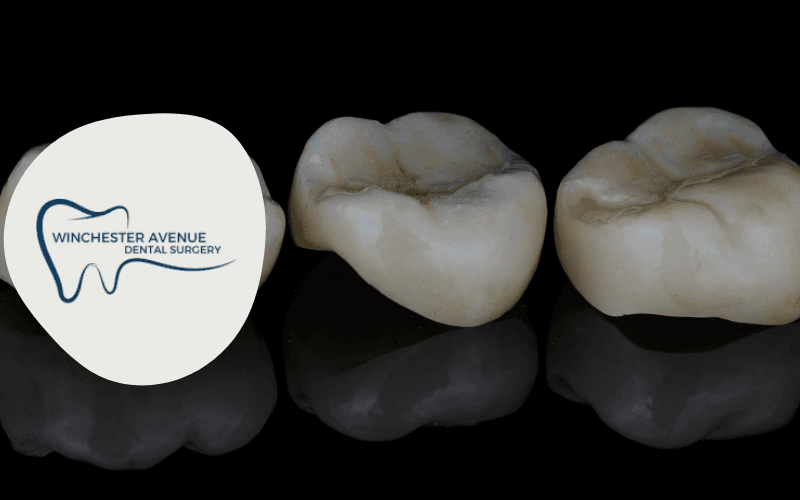
What a dental crown is, and why you might need one
A dental crown is a tooth-shaped cap that fits over a damaged tooth. It covers the whole visible part of the tooth above the gum. This restores the tooth's shape, strength and appearance. Your dentist might recommend a crown if:- A tooth has a large filling and not much natural structure left
- A tooth is cracked or has worn down badly
- A tooth has had root canal treatment and needs protecting
- A tooth is badly shaped or discoloured and a filling cannot fix it
- You are replacing a missing tooth with a dental implant
How long do dental crowns last?
Most crowns last between 10 and 15 years. Many last longer than that. Some need replacing sooner. That is a wide range, so it helps to understand what pushes a crown towards one end or the other. A crown on a back tooth takes far more chewing force than one on a front tooth. A crown on someone who grinds their teeth at night wears faster than one on someone who does not. And a crown on a tooth with healthy gums and good hygiene around it will outlast one with gum disease or decay at the edge. A crown does not simply stop working one day. It tends to show its age slowly. The edge may start to wear, the porcelain may chip, or decay may begin to form underneath. Regular check-ups pick these things up early, which is often the difference between a small repair and a full replacement.Types of dental crown and how they compare
The material matters for both looks and lifespan. Here is how the main options compare.| Type | Looks | Strength | Best for |
|---|---|---|---|
| All-porcelain or ceramic | Most natural | Good, but can chip | Front teeth, and anyone prioritising appearance |
| Zirconia | Very natural | Very strong | Back teeth, grinders, long-term durability |
| Porcelain fused to metal | Natural, with a thin dark line at the gum in some cases | Strong | Back teeth where strength matters |
| Gold or metal alloy | Metallic | Excellent, and gentle on opposing teeth | Back teeth, rarely chosen for looks |
What affects how long a crown lasts
Some of these you control. Some you do not. Your oral hygiene. A crown cannot decay, but the tooth underneath it can. Plaque building up at the edge of the crown is the most common reason crowns fail early. Brushing twice a day and cleaning between your teeth protects the join. Grinding and clenching. Heavy grinding is hard on every tooth, and crowns are no exception. If you grind, a night guard protects both your crown and your natural teeth. What you bite on. Ice, boiled sweets, pen lids and fingernails can chip porcelain. Using your teeth as tools is a common cause of broken crowns. The tooth underneath. A crown is only as healthy as the tooth it sits on. If the underlying tooth was heavily damaged to begin with, the crown has less to hold onto. The quality of the work. A well-fitted crown seals tightly at the edge, which keeps bacteria out. A poorly fitted one leaves a gap where decay can start. Careful preparation and an accurate fit make a real difference to longevity.What the crown procedure involves
Most crowns take two appointments, usually a couple of weeks apart. Appointment one: preparing the tooth. We numb the area with local anaesthetic, so you should not feel any pain. We then shape the tooth to make room for the crown. This usually means removing a thin layer of the outer surface. We take an impression or digital scan of the prepared tooth, so the lab can make your crown to fit exactly. Before you leave, we fit a temporary crown to protect the tooth while the permanent one is made. Appointment two: fitting the crown. We remove the temporary crown and check the fit of the permanent one. We look at how it sits against the gum, how it meets your other teeth when you bite, and how it looks next to your natural teeth. Once you are happy, we bond it into place. Between appointments, the temporary crown can feel slightly different. Avoid sticky food and chew on the other side. If it comes loose, call us and we will refit it.Does getting a crown hurt?
The procedure itself should not hurt. You will be numb throughout, and most patients say it feels similar to having a large filling done. Afterwards, the tooth can feel a little tender or sensitive to hot and cold for a few days. This usually settles quickly. A new crown can also feel slightly high when you bite. If it does, tell us and we can adjust it in a few minutes. Leaving a high crown alone can cause soreness and wear, so it is worth getting it sorted.Signs your crown needs attention
Crowns do not last forever, and they sometimes need repair before the end of their natural life. Book an appointment if you notice:- A chip or crack in the crown
- A rough or sharp edge that catches your tongue
- Pain or sensitivity in the crowned tooth
- A gap or dark line appearing at the gum edge
- A bad taste or smell around the crown
- Swelling or a bump on the gum near the tooth
- The crown feeling loose
How to make your crown last longer
None of this is complicated. It is mostly about protecting the tooth underneath.- Brush twice a day with fluoride toothpaste, paying attention to the gumline
- Clean between your teeth daily with floss or interdental brushes
- Wear a night guard if you grind your teeth
- Avoid chewing ice, hard sweets and non-food items
- Cut back on sugary food and drink, which cause decay at the crown margin
- Attend regular dental check-ups, so we can check the crown and the tooth beneath it
Crowns compared with other options
A crown is not always the answer. Depending on the tooth, other treatments might suit you better. A filling is simpler and more conservative, but only works when enough healthy tooth remains. An onlay covers part of the tooth rather than all of it, and keeps more of your natural structure. A veneer improves the look of a front tooth but does not give the same strength. A bridge or dental implant replaces a tooth that cannot be saved. And if you have lost several teeth, dentures may be worth considering. We always start with the most conservative option that will do the job properly. A crown is the right choice when the tooth needs the extra protection.What a crown costs
The cost depends on the material, the tooth and how much preparation is needed. We give you a clear price at your consultation, before any treatment starts. You can see our current fees on the prices page. It is worth thinking about cost over the whole lifespan. A good crown that lasts 15 years often works out better value than a cheaper repair that needs redoing in three.Why patients choose Winchester Avenue for crowns
At Winchester Avenue Dental Surgery, crown treatment is led by Dr Zeinab Attarwala, our principal dentist. We have more than 1,000 patient reviews, and many come from people who arrived in pain, got seen quickly and were treated with care. You can check the registration of any dentist in the UK on the General Dental Council register. Ours are listed there, and we are happy to talk through our training and experience at your consultation. If you have been told you need a crown, or you are worried about one you already have, get in touch. We will look at the tooth, explain your options and give you a clear price before anything starts. Medically reviewed by Dr Zeinab Attarwala, Principal Dentist at Winchester Avenue Dental Surgery, GDC number 177583.Disclaimer
The information in this article is intended for general educational guidance only and does not constitute personalised dental or medical advice. Red gingiva can have many causes, some of which are medically significant. For an accurate diagnosis, please book an appointment with a qualified dental professional.Winchester Avenue Dental Surgery is a private dental practice in Leicester, led by Dr Zeinab. We offer dental check-ups, emergency dental appointments seven days a week for just £40, dentures, Invisalign, composite bonding, porcelain veneers, teeth whitening and dental crowns. View all treatment fees at our prices page.Frequently asked questions
How long do dental crowns last?
Most crowns last between 10 and 15 years, and many last longer. Lifespan depends on the material, the position of the tooth, your oral hygiene and whether you grind your teeth.
Can a dental crown be replaced?
Yes. When a crown wears out or becomes damaged, the old one is removed and a new one made. This is a routine procedure as long as the tooth underneath is still healthy.
Is getting a crown painful?
No. The tooth is numbed with local anaesthetic, so you should not feel pain during treatment. Mild tenderness for a few days afterwards is normal.
Can a crown get decay?
The crown itself cannot decay, but the natural tooth underneath it can, particularly at the edge where the crown meets the gum. Good hygiene and regular check-ups keep this under control.
What should I do if my crown falls off?
Keep the crown safe, avoid chewing on that side and book an urgent appointment. Do not try to glue it back yourself. We can often refit it the same day.