

When Do Wisdom Teeth Come In? Everything You Need to Know
It's one of the most commonly searched dental questions in the UK — when do wisdom teeth come in? Whether you're a teenager wondering what to expect, a parent keeping an eye on your child's development or an adult who's suddenly feeling pressure at the back of your jaw, understanding how wisdom teeth work can save you a lot of worry and discomfort.At Winchester Avenue Dental Surgery in Leicester, Dr Zeinab and our team see patients with wisdom tooth concerns every single week. With over 850 five-star reviews — many from patients who came to us in pain and left with the relief they needed — we know how important it is to get clear, honest information and timely care when wisdom teeth cause problems.In this guide, we'll walk you through everything: when wisdom teeth typically appear, what the signs are, what can go wrong and what to do if you're in pain.
What are wisdom teeth?
Before we get into timing, let's cover the basics. Wisdom teeth are your third set of molars — the large, flat teeth at the very back of your mouth. Most adults have four wisdom teeth: one in each corner (upper left, upper right, lower left, lower right). However, it's perfectly normal to have fewer than four, and some people never develop them at all.They're called "wisdom teeth" because they tend to appear much later than your other adult teeth, at an age traditionally associated with gaining maturity and wisdom. Unlike your other permanent teeth, which typically come through during childhood, wisdom teeth are late arrivals — and that's often where the trouble starts.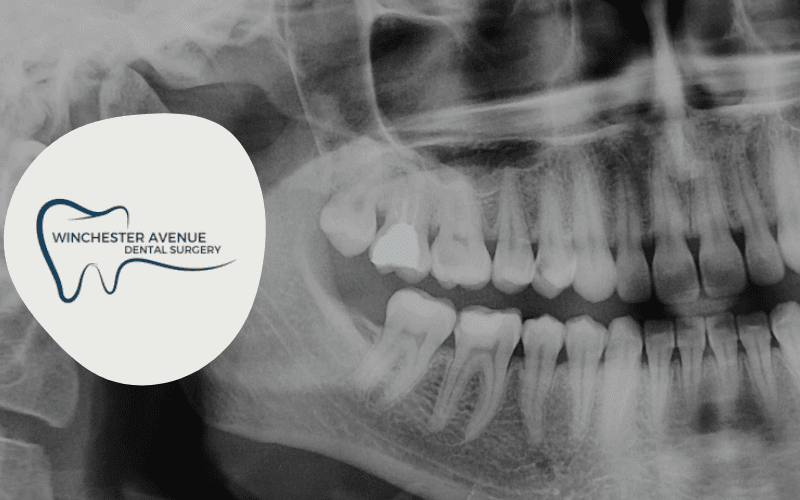
So, when do wisdom teeth come in?
For most people, wisdom teeth begin to emerge between the ages of 17 and 25. This is a broad window, and there's quite a bit of individual variation. Some people notice their wisdom teeth pushing through in their late teens, while others don't see any sign of them until their early to mid-twenties.Here's a rough timeline of how it usually works:Ages 17–19: This is when wisdom teeth most commonly start to erupt. You might feel some pressure or mild discomfort at the back of your jaw as the teeth begin to push through the gum. For some people, this process is straightforward and causes very little trouble.Ages 20–25: If your wisdom teeth haven't appeared by your late teens, they may come through during this period. It's also common for wisdom teeth to partially erupt — meaning they break through the gum only partway — which can create its own set of problems (more on that below).After 25: While it's less common, wisdom teeth can still emerge after the age of 25. In some cases, they remain buried beneath the gum and bone (impacted) and never come through at all. Whether impacted wisdom teeth need treatment depends on whether they're causing symptoms or affecting neighbouring teeth.It's worth noting that when do wisdom teeth come in isn't just about age — genetics, jaw size and the amount of space available in your mouth all play a role. If your jaw is on the smaller side, there may simply not be enough room for these extra molars, which is one of the main reasons they become problematic.How do you know your wisdom teeth are coming in?
The signs that your wisdom teeth are erupting can range from barely noticeable to quite uncomfortable. Here are the most common symptoms to look out for:- Pressure or aching at the back of your jaw. This is often the first thing people notice. It can feel like a dull, persistent ache that comes and goes over several weeks or months.
- Tender or swollen gums. The gum tissue behind your last molars may become red, puffy or sore to the touch. You might notice it's uncomfortable when you brush that area.
- Difficulty opening your mouth fully. As wisdom teeth push through, the surrounding tissues can become inflamed, making it harder to open your mouth wide or chew comfortably.
- A hard or sharp edge at the back of your mouth. If you run your tongue along the gum behind your back teeth, you might feel the tip of a wisdom tooth breaking through.
- Earache or headache on one side. Pain from erupting wisdom teeth can sometimes radiate to the ear, temple or even down the neck, which can be confusing if you're not sure what's causing it.
- Bad breath or an unpleasant taste. If a wisdom tooth is only partially through the gum, food and bacteria can get trapped around it, leading to infection and a noticeable bad taste in your mouth.
Common problems caused by wisdom teeth
Not everyone has trouble with their wisdom teeth. Some people's third molars come through perfectly straight, with plenty of room, and cause no issues at all. But for many others, wisdom teeth bring complications. Here are the most common ones.Impaction
An impacted wisdom tooth is one that doesn't have enough room to emerge properly. It may be angled towards the neighbouring tooth, tilted backwards, lying on its side or trapped within the jawbone. Impacted wisdom teeth can cause pain, swelling and infection, and they can also put pressure on adjacent teeth, potentially causing damage or crowding.There are different degrees of impaction — some teeth are partially visible above the gum line, while others are completely buried beneath bone. Your dentist can assess this with an X-ray and advise whether treatment is needed.Pericoronitis
This is an infection of the gum tissue surrounding a partially erupted wisdom tooth. When a tooth is only halfway through the gum, a flap of tissue (called an operculum) can form over it, creating a pocket where food and bacteria accumulate. The result is inflammation, pain, swelling and sometimes pus.Pericoronitis can range from mild to severe. In mild cases, improved oral hygiene and salt water rinses may help. In more serious cases, you might need antibiotics or the affected tissue may need to be treated. If pericoronitis keeps recurring, extraction of the wisdom tooth is often recommended.This is one of the most common reasons patients come to us as an emergency dental appointment. Pericoronitis can be extremely painful, and prompt treatment makes a real difference. At Winchester Avenue Dental Surgery, we offer emergency appointments seven days a week for just £40, so you don't have to wait in pain over a weekend or bank holiday.Decay
Wisdom teeth are notoriously difficult to keep clean because of their position at the very back of the mouth. Toothbrush bristles often can't reach them properly, and flossing around them can be awkward. This makes them more susceptible to decay — and because a partially erupted wisdom tooth can trap food against the neighbouring molar, the tooth next door can develop cavities too.Regular dental check-ups are important for catching decay early, particularly if you know your wisdom teeth have come through at an angle or are only partially erupted.Cysts
In rare cases, an impacted wisdom tooth can lead to the development of a cyst — a fluid-filled sac within the jawbone. If left untreated, cysts can damage the bone, surrounding teeth and nerves. This is uncommon, but it's another reason why impacted wisdom teeth should be monitored, even if they're not currently causing pain.Crowding and Pressure on Other Teeth
There's a long-standing debate about whether wisdom teeth cause crowding of the front teeth. The evidence on this is mixed, but what is clear is that wisdom teeth pushing against the second molars can cause discomfort, damage to the adjacent tooth and, in some cases, shifting. If you notice your teeth moving or feel persistent pressure at the back of your jaw, it's worth having it checked.Do all wisdom teeth need to be removed?
No — and this is an important point. Not all wisdom teeth need to come out. If your wisdom teeth have erupted fully, are correctly positioned, aren't causing pain and can be cleaned properly, there's no reason to remove them.Extraction is typically recommended when wisdom teeth are impacted and causing pain or infection, when they're decayed and difficult to restore, when they're damaging neighbouring teeth, or when they're associated with cysts or other pathology.The decision to extract a wisdom tooth should always be made on the basis of a thorough clinical and radiographic assessment. At Winchester Avenue Dental Surgery, Dr Zeinab will always explain the options clearly and help you make an informed decision. You can check our prices page for transparent information about treatment costs.What to expect if you need a wisdom tooth removed
If extraction is recommended, it's natural to feel a bit nervous — but the procedure is very common and is performed under local anaesthetic in most cases. Here's what typically happens:- Before the procedure: Your dentist will take X-rays to assess the position of the tooth and plan the extraction. You'll be told what to expect and given instructions on how to prepare.
- During the procedure: The area around the tooth is numbed with local anaesthetic so you won't feel pain during the extraction. For straightforward cases, the tooth is loosened and lifted out. For more complex impactions, a small incision may be needed in the gum, and the tooth may be divided into sections for easier removal.
- After the procedure: Some swelling, tenderness and minor bleeding are normal in the first few days. You'll be given aftercare instructions, which usually include eating soft foods, avoiding hot drinks and not smoking. Most people recover fully within one to two weeks.
When is wisdom tooth pain a dental emergency?
Mild discomfort as wisdom teeth erupt is normal and usually manageable. But there are times when wisdom tooth pain needs urgent attention. You should seek emergency dental care if:- The pain is severe and not controlled by over-the-counter painkillers
- You have significant swelling in your face, jaw or neck
- You're finding it difficult to swallow or open your mouth
- You have a fever or feel generally unwell
- There's pus or a foul taste coming from the area around the tooth
- The pain has been getting progressively worse over several days
Looking after your wisdom teeth
If your wisdom teeth have come through and your dentist is happy with their position, keeping them healthy is largely about maintaining good oral hygiene:- Brush carefully. Use a small-headed toothbrush to reach the back corners of your mouth. An electric toothbrush with a round head can also be very effective for cleaning around wisdom teeth.
- Floss or use interdental brushes. Cleaning between your wisdom teeth and the molars in front of them is essential. Interdental brushes or floss picks can make this easier.
- Use a fluoride mouthwash. This can help protect areas that are harder to reach with a toothbrush.
- Don't skip your check-ups. Regular dental check-ups allow your dentist to monitor your wisdom teeth and spot any developing problems before they become serious.
Can wisdom teeth affect dentures?
If you're considering dentures or already wear them, wisdom teeth can sometimes be a factor. Retained wisdom teeth — particularly impacted ones — may need to be removed before dentures can be fitted comfortably. If wisdom teeth erupt after dentures have been made, they can affect the fit and cause soreness.If you're a denture wearer experiencing discomfort at the back of your jaw, it's worth having your wisdom teeth checked. An X-ray can quickly confirm whether a wisdom tooth is the cause.Disclaimer
This article was reviewed by Dr Zeinab, principal dentist at Winchester Avenue Dental Surgery, Leicester. For personalised advice about wisdom teeth or any other dental concern, get in touch with our team or book an appointment online.Frequently asked questions
When do wisdom teeth come in for most people?
Wisdom teeth typically emerge between the ages of 17 and 25, though the timing varies from person to person. Some people get them in their late teens, while others don't see any sign until their mid-twenties. A small number of people never develop wisdom teeth at all, and some have them present beneath the gum without them ever fully erupting.
Can wisdom teeth come in after the age of 30?
It's uncommon, but not impossible. In most cases, if wisdom teeth haven't erupted by the late twenties, they're either absent or impacted. Occasionally, a wisdom tooth that's been dormant can start to move later in life. If you notice new pain or pressure at the back of your jaw at any age, it's worth booking a dental check-up to find out what's going on.
How long does it take for a wisdom tooth to fully come through?
This varies considerably. A wisdom tooth can take anywhere from a few weeks to several months — or even years — to fully erupt. Some teeth come through in stages, causing intermittent discomfort over a long period. If you're experiencing ongoing symptoms, don't wait it out — get a professional assessment so you know what to expect.
Is it normal for wisdom teeth to hurt as they come in?
Some degree of discomfort is normal as any tooth erupts. You might feel pressure, mild aching or gum tenderness. However, severe pain, significant swelling or signs of infection are not a normal part of eruption and should be assessed by a dentist. Our emergency dental service is available seven days a week if you need urgent help.
How much does it cost to have a wisdom tooth looked at?
At Winchester Avenue Dental Surgery, an emergency consultation costs just £40, and we're open seven days a week. You can also visit our prices page for full details on consultation fees and treatment costs. We believe in being upfront about pricing so there are no surprises.