

Clove oil for toothache: a Leicester dentist’s guide (and when to call us)
Toothache has a habit of striking at the worst possible time. It can be sharp, throbbing, or just a constant nag you can’t ignore. Plenty of patients ask us about clove oil for toothache and whether it’s a sensible way to get through the night or the weekend. Short answer: it can help as a temporary measure, but it isn’t a fix for the cause of the pain — and it needs using carefully.
If you’re in significant pain now, we can usually see you 7 days a week. Book an urgent slot with our emergency dentist in Leicester. For routine care and check-ups (also available 7 days a week), head to general dentistry or our home page to get started.
Why people reach for clove oil
Clove oil has been used in dentistry for generations. Its main active compound, eugenol, has numbing and antiseptic properties, which is why some people find clove oil for sore tooth relief helpful in the short term. Major oral-health brands explain that a tiny amount of diluted clove oil, applied with a cotton bud, can temporarily calm the area while you arrange proper treatment.
That said, clove oil isn’t a cure, and not every clinician recommends it. Many reputable health sites stress it should only be used as a stop-gap and always alongside arranging a dental appointment.
- If your toothache lasts more than two days, gets worse, or you have swelling, fever or trouble swallowing, arrange a dental assessment promptly. The NHS gives the same advice.
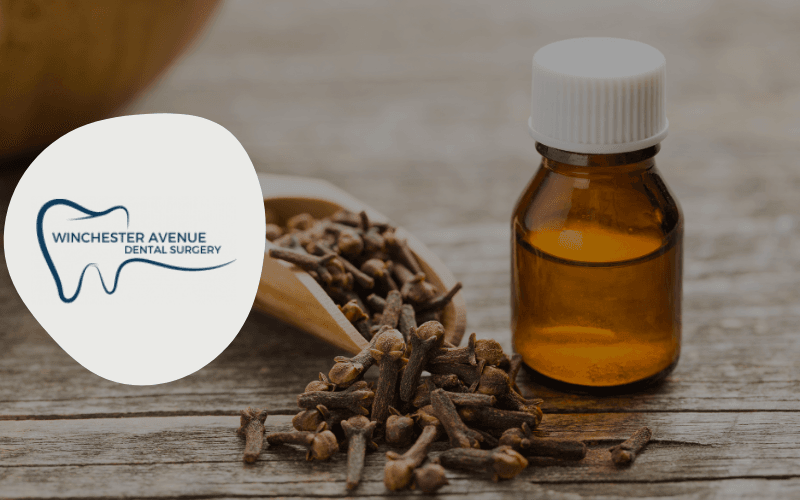
What clove oil actually does (and doesn’t) do
- What it can do: eugenol in clove oil can numb local nerves and reduce inflammation for a short period. Many people feel a mild calming sensation a few minutes after careful application.
- What it can’t do: it won’t remove decay, fix a crack, clear an abscess or settle an inflamed nerve. That’s where professional care such as a filling or root canal treatment in Leicester or, in some cases, a tooth extraction in Leicester may be required.
At Winchester Avenue Dental Surgery, our GDC-registered clinicians use modern diagnostics and gentle techniques to stop the pain and remove the cause. If you’ve tried using clove oil for a toothache and it keeps coming back, it’s time to book an appointment.
When clove oil may help
Clove oil can be a reasonable short-term option when:
- You have a mild toothache and a dental appointment is already booked.
- Cold air or sweet foods briefly trigger the tooth (often a sign of exposed dentine).
- You’re between painkillers and want a local, topical “numbing” effect.
- You’re waiting to be seen by our emergency dentist and need an interim measure.
Do not rely on clove oil if you have spreading facial swelling, fever, trauma, a broken tooth with sharp pain on biting, or pain that wakes you in the night. These situations need urgent assessment — we’re open 7 days to help: emergency appointments in Leicester.
How to use clove oil for toothache safely (our step-by-step)
Before we begin: always read the label, never swallow essential oils, and avoid use in children unless you’ve spoken to a healthcare professional.
- Choose the right product
You’re looking for pharmacy-grade clove oil (often labelled “clove bud oil”). Big oral-health brands explain that only a small amount is needed and that it should be diluted. - Dilute it
Essential oils are potent. Mix a drop of clove oil into a teaspoon of a neutral carrier oil (such as olive oil). If it still feels strong, add more carrier oil. Both Colgate and Oral-B note that dilution helps reduce irritation. - Patch test
Dab a tiny amount on the inside of your forearm first. If there’s redness, burning or itching, don’t use it in your mouth. Several health resources advise caution because essential oils can irritate skin and mucosa. - Apply a tiny amount
Wash your hands. Dip the tip of a cotton bud (or a small piece of cotton wool) into the diluted mixture, blot the excess, then gently dab the tooth or the immediate area. Avoid flooding your gums — too much can sting. Colgate describes using a cotton bud/cotton ball and wiping over the point of pain; Oral-B highlights that overuse can irritate tissues. - Wait and reassess
Give it a few minutes. If it tingles or burns, wipe away and rinse with warm water. If it helps, you may repeat sparingly later on. Don’t keep reapplying every few minutes; more isn’t better. - Book the fix
Remember, using clove oil for a toothache only buys time. Arrange a proper diagnosis so we can stop the pain at its source: book online or use our emergency service (7 days).
For a clear, patient-friendly run-through of methods and precautions, you can also read these overviews from Oral-B, Colgate and Healthline.
Risks, side effects and who should avoid it
Clove oil is strong. The most common issues are burning/irritation of the gums, unpleasant taste, and upset stomach if swallowed. Some people can be allergic. Health sites advise against using undiluted clove oil and caution that children are particularly sensitive. If you are pregnant, taking blood-thinning medication, or have liver conditions, speak to a clinician before use.
If you notice increasing pain, swelling, a bad taste, or fever, stop home remedies and see our emergency dentist. The NHS also advises seeing a dentist quickly if toothache lasts more than two days.
Sensible alternatives while you wait to be seen
These tips can ease discomfort without risking irritation:
- Pain relief: consider over-the-counter options you know you can take safely (for many adults, paracetamol and/or ibuprofen; check the leaflet or ask your pharmacist).
- Saltwater rinse: a warm saline rinse can settle the area and clear debris.
- Cold compress: held to the cheek for 10–15 minutes can dull throbbing.
- Keep the area clean: gently brush and use interdental aids to remove trapped food.
- Avoid triggers: very hot, cold, sugary or acidic foods and drinks.
If you’re unsure what’s safe for you, we’re happy to advise when you call or book.
What usually causes toothache (and how we treat it)
Toothache is a symptom, not a diagnosis. Common causes include:
- Tooth decay reaching the dentine or nerve
- Cracked tooth or broken filling
- Gum infection or abscess
- Erupting wisdom teeth
- Sinus-related pain that feels like toothache
Depending on what we find, we may recommend:
- A filling or inlay to repair decay
- Root canal treatment in Leicester to save a tooth with an inflamed or infected nerve
- Tooth extraction in Leicester if a tooth can’t be restored
- Hygiene therapy and home-care coaching for gum-related issues
- Bite adjustments or a protective nightguard for cracks and clenching
Our aim is always to save teeth where possible and keep you comfortable throughout. If you’ve been relying on clove oil for sore tooth relief, we’ll help you move from quick fixes to lasting solutions with kind, clear care. Explore our services and book a check-up (7 days a week).
Why patients trust us with toothache
- Our clinicians are GDC-registered and experienced in urgent dental care, pain diagnosis and restorative treatments.
- We manage toothache every day — from first-time emergencies to complex cases — and we explain your options in plain English.
- We follow current guidance and balance home-care tips with professional treatment. Where home remedies are mentioned, we reference established oral-health resources such as Colgate, Healthline and Oral-B so you can read further.
- Transparent pricing, written consent, and treatment plans tailored to your needs. Read more and meet the team at our Leicester dental practice.
The bottom line
Using clove oil for sore tooth relief can be a handy temporary step, especially at night or over a weekend. But if you find yourself using clove oil for a toothache more than once or twice, it’s time to let us find and fix the cause.
- Need help now? Emergency dentist in Leicester (7 days)
- Ready to prevent the next flare-up? Book a check-up (7 days)
- Want to read more? Independent overviews from Colgate, Healthline and Oral-B explain benefits and precautions too.
Frequently asked questions - clove oil for toothache
Is clove oil for toothache safe?
Used sparingly and diluted, clove oil can offer short-term relief for adults. It may irritate gums and should not be swallowed. Avoid in children and speak to a healthcare professional if you are pregnant, on blood thinners or have liver issues. If pain lasts more than two days, see a dentist.
What’s the best way of using clove oil for a toothache?
Mix a drop with a teaspoon of carrier oil (such as olive oil), dab a small amount on the sore area with a cotton bud, and reassess after a few minutes. Stop if it stings and avoid repeated applications. Several oral-health pages outline similar steps.
Can I put clove oil directly on my gums?
Undiluted clove oil can burn or irritate soft tissues. Always dilute first and use the smallest amount possible. If you notice redness or burning, rinse and stop.
Will clove oil cure the cause of my toothache?
No. Clove oil for toothache may numb discomfort, but it won’t repair decay, treat infection, or fix a crack. You’ll still need an exam and a lasting solution such as a filling, root canal or, if necessary, extraction.
I’ve tried clove oil for sore tooth pain and it keeps coming back, what next?
Book a proper diagnosis. We offer same-day emergency appointments 7 days: emergency dentist Leicester. For ongoing prevention, keep up with regular check-ups (also 7 days) so small issues don’t turn into big problems.