

Dental check up: what is it, what is included, and why it matters more than most people think
A dental check up is one of those appointments that is easy to keep putting off, because it does not feel urgent. Nothing hurts. There is no obvious problem. The thinking goes: if something were wrong, you would know about it.
This is the most consistently costly assumption in dentistry. The conditions that most reliably lead to serious, painful and expensive dental problems, including advanced gum disease, decay reaching the nerve, and early mouth cancer, are all defined by a specific clinical feature: they are painless until they are not. By the time they produce symptoms, they have already caused damage that a check-up carried out six months earlier would have identified and managed at a fraction of the complexity and cost.
A dental check up is not simply a dentist looking at your teeth. It is a structured clinical examination covering multiple distinct systems in and around the mouth, each of which can fail independently and each of which is assessed with specific diagnostic tools. Understanding what is included in a dental check up changes how patients think about it, from a routine that feels unnecessary to an investment that demonstrably pays off.
At Winchester Avenue Dental Surgery in Leicester, led by Dr Zeinab, our principal dentist, dental check ups are available for patients of all ages, with emergency care available seven days a week for just £40. With over 1,000 reviews from patients who have relied on us for both routine and urgent care, here is exactly what a thorough check-up involves and why missing them is a risk not worth taking.
What is actually included in a dental check up: a step-by-step breakdown
What is included in a dental check up at a well-run dental practice goes considerably further than a quick look in the mouth. A thorough examination covers seven distinct clinical areas, each requiring separate assessment.
1. Medical history review
Every check-up begins with a review of medical history and any changes since the last visit. This is not a formality. Medical conditions and medications have direct clinical relevance to dental treatment.
Conditions that affect how dental care is delivered or what treatment is appropriate include diabetes (which affects gum disease severity and healing), cardiovascular disease (which influences anaesthetic choice and certain antibiotic prescribing decisions), blood disorders, osteoporosis (particularly relevant for patients on bisphosphonate medications and for surgical decisions), autoimmune conditions, and pregnancy.
Medications are equally relevant: anticoagulants affect bleeding risk during any procedure; certain medications cause dry mouth, increasing decay risk; some cause gingival overgrowth; others interact with local anaesthetic. A dentist working without an accurate medical history is working blind on the most clinically relevant information available.
2. Radiographic examination (X-rays)
Dental X-rays are an essential component of a comprehensive dental check up, not an optional extra. They reveal clinical information that is invisible to the naked eye, regardless of how thorough the visual examination is.
Bitewing X-rays, taken with the film or sensor positioned between the upper and lower back teeth, reveal:
- Decay between the teeth (interproximal decay), which cannot be seen from the surface
- The height of the bone between the teeth, allowing early detection of bone loss from gum disease
- The condition of existing restorations, including gaps, overhangs and secondary decay beneath fillings
Periapical X-rays, showing individual teeth and the full root from crown to apex, reveal:
- Periapical pathology: bone changes at the root tip indicating abscess formation or chronic infection
- Root fractures
- Root resorption
- Canal anatomy for treatment planning
Panoramic X-rays, a full-mouth image showing all teeth and supporting bone in one view, are used less frequently but are particularly valuable for assessing developing wisdom teeth, detecting cysts or other pathology in the jaw, and providing an overview of all structures simultaneously.
The frequency of X-rays in a regular dental check up varies based on clinical need, decay risk and when imaging was last taken. Most adults benefit from bitewing X-rays every 12 to 24 months.
3. Soft tissue examination (oral cancer screening)
This is the component of a dental check-up that patients most commonly do not know is happening, and it is among the most clinically important.
Every thorough dental check up includes a systematic examination of the soft tissues of the mouth: the lips (both surfaces), the buccal mucosa (inner cheeks), the tongue (dorsal surface, lateral borders and ventral surface), the floor of the mouth, the hard and soft palate, and the oropharynx (back of the throat).
The examination is looking for any abnormality in colour, texture, shape or size: red patches (erythroplakia), white patches (leukoplakia), ulcers that have not healed in three weeks, asymmetric swellings, or any change in the character of the soft tissue that was not present at the last examination.
Mouth cancer affects over 8,000 people in the UK annually. When detected at an early stage, the five-year survival rate exceeds 80%. When detected at a late stage, the prognosis is significantly worse. Early oral cancer is almost universally painless: it does not announce itself. It is found by systematic examination.
This is the part of a dental check up where attendance genuinely saves lives.
4. Periodontal assessment (gum health examination)
Gum disease is the leading cause of tooth loss in adults and is largely preventable. It is also largely painless in its destructive phase, which is why systematic measurement at every dental check up is essential rather than waiting for patients to report symptoms.
Periodontal assessment at a check-up includes:
Visual assessment: Colour, contour, consistency and texture of the gum tissue around every tooth. Redness, swelling, recession and changes in the papillae (the gum tissue between adjacent teeth) are all clinically significant.
Pocket depth measurement (probing): A fine periodontal probe is inserted into the gum sulcus around each tooth at six points (mesio-buccal, buccal, disto-buccal, mesio-lingual, lingual, disto-lingual). The depth of the pocket in millimetres is recorded. Pockets at 1 to 3mm are within normal range. Pockets at 4mm or above indicate disease; pockets at 5mm or above are consistent with established periodontitis with bone loss.
Bleeding on probing: Healthy gum tissue does not bleed when the probe contacts it. Bleeding indicates inflamed tissue and active gum disease, even when the patient reports no symptoms and has not noticed bleeding during brushing.
Bone level assessment: Combined with X-ray findings, pocket depth measurements allow the clinical team to establish the degree of bone support around each tooth and identify any areas of active bone destruction.
5. Tooth-by-tooth examination
The visual and tactile examination of each individual tooth systematically. This covers:
Cavity detection: Using a dental probe (explorer) and, where appropriate, a caries detection device, the dentist assesses each surface of every tooth for decay. This includes the fissures (grooves) on the biting surface, the mesial and distal contact areas, the buccal and palatal surfaces, and the cervical margins at the gum line.
Existing restoration assessment: Fillings, crowns, veneers and other restorations are assessed for condition: chips, cracks, marginal breakdown, secondary decay adjacent to the restoration, wear, and whether the restoration still adequately protects the underlying tooth.
Tooth structure assessment: Chipping, fracture lines, cracks in the cusp, wear facets from grinding, and erosion patterns that indicate acid exposure (from diet or acid reflux) are all identified here.
Tooth vitality testing: Where a specific tooth is of concern, thermal testing or electric pulp testing establishes whether the pulp is still vital, which determines whether further investigation or treatment is needed.
6. Occlusal (bite) assessment
The way the teeth come together, the bite, is assessed as part of a comprehensive dental check up. An uneven or problematic bite produces wear, fractures, jaw joint problems and muscle tension over time. The assessment covers:
- How the teeth contact in maximum intercuspation (teeth fully together)
- How the contacts distribute laterally as the jaw moves
- Any evidence of parafunction (teeth grinding or clenching) in the wear patterns
- The condition of the jaw joint on both sides and any clicking or restricted movement
7. Treatment planning and patient discussion
The final component of a dental check up is the conversation: what has been found, what it means, what options exist, and what the patient's priorities and preferences are.
This is where the clinical findings are translated into a clear, understandable picture that allows the patient to make informed decisions. A good treatment discussion explains findings in plain language, presents options honestly including their relative advantages and disadvantages, and does not create pressure toward any specific course of action.
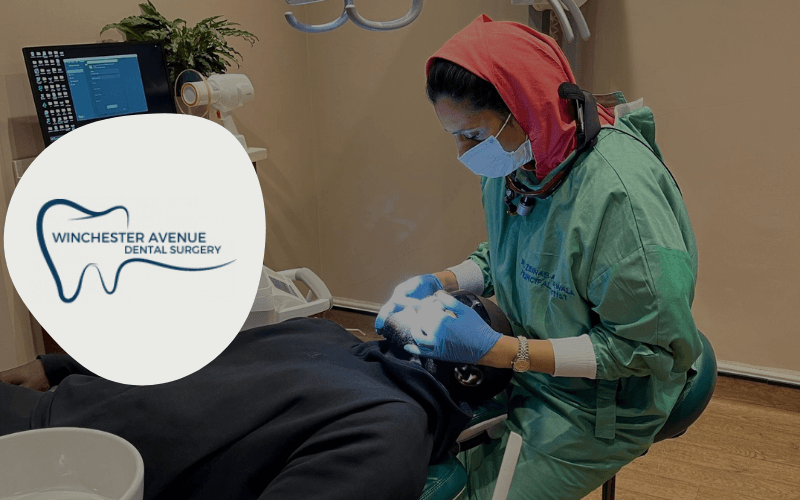
How often should you have a dental check up?
The standard recommendation of six-monthly check-ups reflects the rate at which decay and gum disease typically develop: a six-month interval catches the majority of problems at an early and manageable stage.
However, the appropriate interval is not universal. It is based on individual clinical risk:
Patients with a low decay rate, healthy gums, no complex restorations and good oral hygiene may be appropriately seen annually. Patients with active gum disease, a high decay rate, dry mouth from medication, or complex dental histories benefit from more frequent check-ups, sometimes every three to four months.
In the UK, the recommended recall interval is determined by the clinician at each check-up based on the clinical findings and risk factors identified at that visit. Attending and allowing that assessment to be made is the prerequisite for knowing how often you personally need to attend.
What a regular dental check up catches before it becomes a problem
This is where the value of attending consistently becomes concrete. The specific problems that a regular dental check up intercepts before they become crises include:
- Small cavities before they reach the nerve. A small cavity treated with a filling takes one appointment and costs a fraction of what a root canal and crown require. The only difference is timing.
- Early gum disease before bone is destroyed. Gingivitis is entirely reversible with professional cleaning and improved home care. Periodontitis, the stage where bone is lost, is managed but not reversed. The line between them is crossed during the interval between check-ups.
- Early oral cancer before it has spread. The three-week rule, any soft tissue change in the mouth that has not resolved in three weeks should be assessed, is most reliably caught by the systematic examination that happens at every check-up.
- Failing restorations before they cause decay. A crown with a marginal gap identified at a check-up is replaced before the tooth beneath decays. A crown that is not identified until the patient presents with acute pain has invariably produced secondary decay that complicates the replacement.
The connection between check-ups and emergencies
At Winchester Avenue Dental Surgery, we offer emergency dental appointments seven days a week at just £40 for the consultation. With over 1,000 reviews from patients who have come to us in acute pain and left with relief, we understand emergency dental care extremely well.
We also understand, from that same experience, the clinical pattern that most emergency appointments share: the problem they are treating began months or years earlier, was detectable at a routine check-up, and progressed because that check-up either was not attended or the finding at the time was not acted upon.
Emergency dental treatment is always available at Winchester Avenue Dental Surgery for when the unexpected happens. But the most effective emergency prevention is a regular dental check up that catches developing problems before they become acute.
Fees and what is included
Details of our check-up fees and all other treatment costs are available on our prices page. We believe in transparent pricing so patients know what to expect before they book, not when they arrive.
We also offer dentures and a full range of general dentistry treatments alongside our check-up service, allowing all of a patient's dental needs to be addressed in one practice.
In conclusion
A dental check up is a structured clinical examination covering medical history, radiographic assessment, oral cancer screening, gum health measurement, tooth-by-tooth examination, bite assessment, and a clear treatment discussion. What is included in a dental check up goes considerably beyond what most patients assume, which is part of why the six-monthly interval recommendation reflects genuine clinical value rather than arbitrary convention.
A regular dental check up is the most cost-effective dental decision most patients can make. The problems it catches when they are small consistently cost less to treat, produce less discomfort, and require less time in the chair than the same problems caught later.
At Winchester Avenue Dental Surgery in Leicester, dental check ups are available for patients of all ages, led by Dr Zeinab, with seven-day emergency cover for when problems cannot wait.
Disclaimer
The information in this article is intended for general educational guidance only and does not constitute personalised dental advice. For concerns about your oral health, please book an appointment with a qualified dental professional for a proper clinical assessment.
Winchester Avenue Dental Surgery is a private dental practice in Leicester, led by Dr Zeinab. We offer dental check ups, emergency dental appointments seven days a week for just £40, dentures, Invisalign, composite bonding, porcelain veneers, teeth whitening and dental crowns. View all treatment fees at our prices page.
Frequently asked questions
What is included in a dental check up?
A comprehensive dental check up at Winchester Avenue Dental Surgery includes a review of medical history and medications, dental X-rays where indicated, a systematic soft tissue examination checking for any abnormality that might indicate early mouth cancer, a periodontal assessment measuring gum pocket depths and bleeding, a tooth-by-tooth examination assessing for decay and the condition of existing restorations, an occlusal (bite) assessment, and a clear treatment discussion covering everything found and all available options. Details of our check-up fees are on our prices page.
How long does a dental check up take?
A standard dental check up typically takes 20 to 45 minutes, depending on the complexity of the clinical picture, whether X-rays are being taken, and how much discussion is needed about findings and treatment options. New patient check-ups tend to be longer because the full history needs to be taken and all baseline records established. Patients who have been attending regularly and who have no significant new findings may be seen more efficiently.
How often should I have a dental check up?
The appropriate interval for a regular dental check up varies between patients and is determined by clinical risk. The standard recommendation for most adults is every six months. Patients with low decay rates and consistently healthy gums may be appropriately seen annually. Patients with active gum disease, a history of frequent decay or other risk factors may benefit from check-ups every three to four months. The recommended interval is assessed and communicated at each appointment.
I have not been to the dentist for years. Will I be judged at my check up?
No. This concern is one of the most common reasons people delay seeking dental care, and it is worth addressing directly. Dr Zeinab and the team at Winchester Avenue Dental Surgery have seen every possible range of dental presentations and every possible length of gap in care. The response to finding decay, gum disease or other problems that have developed during an absence is always practical: here is what is present, here are the options, here is the sequence in which it makes sense to address things. The team at Winchester Avenue has over 1,000 reviews from patients who came in nervous and left having been well looked after. A dental check up is the right first step regardless of how long it has been.
What is the difference between a dental check up and an emergency appointment?
A dental check up is a planned, comprehensive examination of all aspects of oral health: teeth, gums, soft tissues, bite and existing restorations. It is proactive and designed to identify problems before they cause symptoms. An emergency dental appointment is a response to an acute, presenting problem, such as severe pain, a broken tooth, a lost filling, facial swelling or trauma. At Winchester Avenue Dental Surgery, emergency appointments are available seven days a week for just £40. However, the emergency appointment treats the immediate crisis; it does not replace the comprehensive assessment that a check-up provides. Both serve different and important clinical roles.